


The Role of a Historic Preservation Contractor in Preserving Heritage Buildings
Preserving heritage buildings is more than just maintaining old structures. It is about protecting the stories, culture, and craftsmanship that define a community. In New Orleans, where history is deeply woven into the city’s fabric, preserving these buildings requires specialized skills and knowledge. This is where a historic preservation contractor plays a vital role.
Understanding the Importance of Preserving Heritage Buildings
Heritage buildings are physical links to the past. They tell us about architectural styles, local traditions, and historical events. Preserving these buildings helps maintain the unique character of neighborhoods and supports cultural tourism. For property owners, it can also increase property value and provide tax incentives.
Preservation is not just about keeping a building standing. It involves careful planning to maintain the original materials and design while upgrading the structure to meet modern safety and usability standards. This balance is crucial in a city like New Orleans, where weather and age can take a toll on historic properties.

Key Responsibilities of a Historic Preservation Contractor
A historic preservation contractor specializes in restoring and maintaining heritage buildings. Their work goes beyond typical construction tasks. Here are some of their main responsibilities:
Assessment and Planning: They begin by evaluating the building's condition. This includes identifying structural issues, material decay, and any previous repairs that may affect the project.
Research: Understanding the building’s history and original construction methods is essential. This research guides the restoration process to ensure authenticity.
Material Selection: Using materials that match or closely resemble the original ones is critical. This may involve sourcing reclaimed wood, custom bricks, or traditional plaster.
Skilled Craftsmanship: Preservation work often requires specialized skills such as masonry, carpentry, and plasterwork that respect historic techniques.
Compliance: They ensure that all work meets local preservation guidelines and building codes, which can be strict in historic districts.
Coordination: Working with architects, historians, and local authorities is part of the job, ensuring the project aligns with preservation standards.
By handling these tasks, a historic preservation contractor helps protect the building’s integrity while making it safe and functional for modern use.
Techniques and Methods Used in Historic Preservation
Preserving heritage buildings involves a variety of techniques tailored to the specific needs of each structure. Some common methods include:
Cleaning and Repairing Masonry: Gentle cleaning methods prevent damage to old bricks and stones. Cracks and missing mortar are carefully repaired using compatible materials.
Wood Restoration: Rotting or damaged wood elements, such as windows, doors, and trim, are repaired or replaced with matching wood species and profiles.
Roof Repair: Historic roofs often require special attention to maintain their appearance and function. This may involve using traditional shingles or metal roofing materials.
Paint Analysis: Determining the original paint colors helps restore the building’s authentic look.
Structural Reinforcement: Adding support without altering the building’s appearance is key. This might include hidden steel supports or foundation stabilization.
Energy Efficiency Upgrades: Installing insulation, storm windows, or HVAC systems in ways that do not compromise historic features.
Each project is unique, and the contractor must adapt these methods to the building’s condition and historical significance.
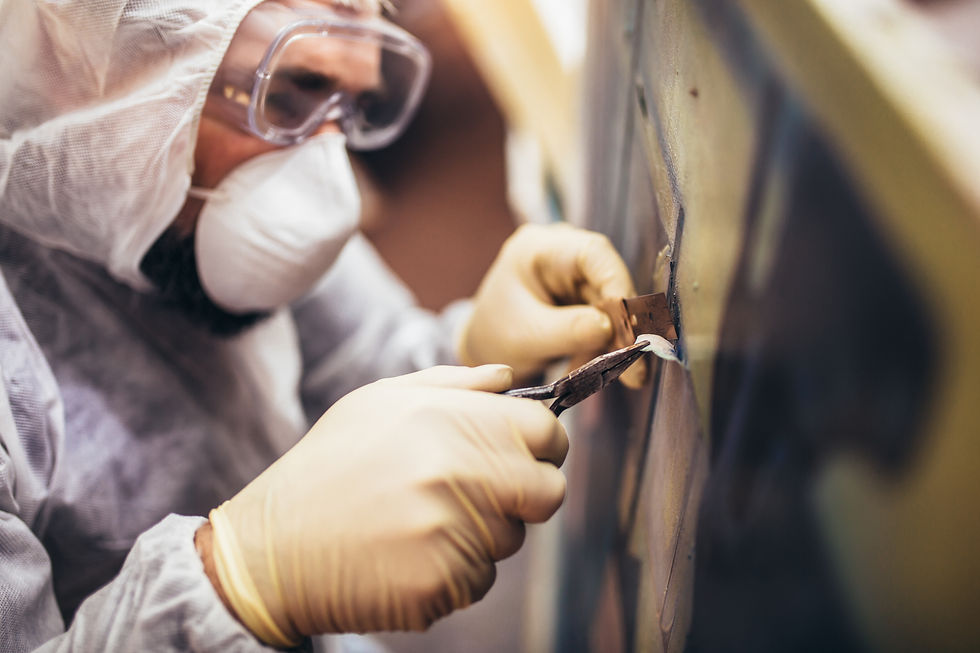
Working with a Historic Preservation Contractor
Choosing the right contractor is crucial for a successful preservation project. Here are some tips for working with a historic preservation contractor:
Check Experience: Look for contractors with a proven track record in historic preservation projects, especially in New Orleans.
Verify Credentials: Ensure they have the necessary licenses and certifications related to historic preservation.
Review Past Projects: Ask for examples or references to see the quality of their work.
Discuss Goals: Be clear about your preservation goals and budget from the start.
Understand the Process: A good contractor will explain the steps involved and keep you informed throughout the project.
Plan for Contingencies: Older buildings can reveal unexpected issues. Make sure the contractor has a plan to handle surprises without major delays or cost overruns.
By following these steps, you can build a strong partnership that respects the building’s history and meets your needs.
Benefits of Hiring a Local Expert in New Orleans
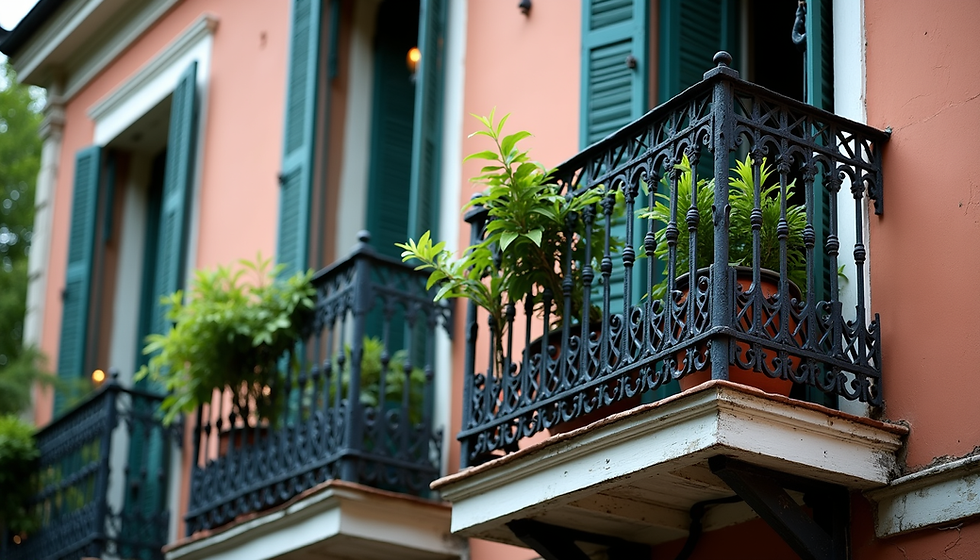
New Orleans has a unique architectural heritage influenced by French, Spanish, and Creole styles. A local expert understands these styles and the specific challenges posed by the city’s climate and environment. For example:
Humidity and Flooding: Local contractors know how to protect buildings from moisture damage and flooding risks.
Historic District Regulations: They are familiar with the city’s preservation laws and can navigate the approval process efficiently.
Community Connections: Local contractors often have relationships with suppliers of traditional materials and skilled artisans.
Cultural Sensitivity: They appreciate the cultural significance of the buildings and work to preserve their character.
Hiring a local historic preservation contractor ensures that your project benefits from this specialized knowledge and experience.
Maintaining Your Heritage Building After Restoration
Preservation does not end when the restoration is complete. Ongoing maintenance is essential to protect your investment and keep the building in good condition. Here are some maintenance tips:
Regular Inspections: Check for signs of water damage, pest infestation, or structural issues.
Cleaning: Use gentle cleaning methods appropriate for historic materials.
Timely Repairs: Address minor problems before they become major.
Proper Ventilation: Ensure good airflow to prevent moisture buildup.
Documentation: Keep records of all maintenance and repairs for future reference.
By staying proactive, you can extend the life of your heritage building and avoid costly repairs.
Preserving Heritage Buildings Is a Shared Responsibility
Preserving heritage buildings requires care, expertise, and respect for history. A skilled historic preservation contractor plays a key role in this process. They bring the knowledge and craftsmanship needed to maintain the beauty and integrity of these structures.
If you own a historic property in New Orleans, investing in professional preservation services is a smart choice. It protects your building’s legacy and contributes to the city’s rich cultural landscape.
Taking the right steps today ensures that future generations can enjoy the unique charm and history of New Orleans’ heritage buildings.


Comments